The Statistic Nobody Talks About
The Social Security Administration estimates that one in four of today's 20-year-olds will experience a disability that keeps them out of work for at least 12 months before reaching age 65. That's not a small risk. That's a one-in-four chance of having your primary income cut off for a year or longer.
Yet most families have life coverage, auto coverage, home coverage — and zero disability coverage. Why? Because the risk feels abstract and distant. Until it isn't.
What Actually Happens to Families Without Disability Coverage
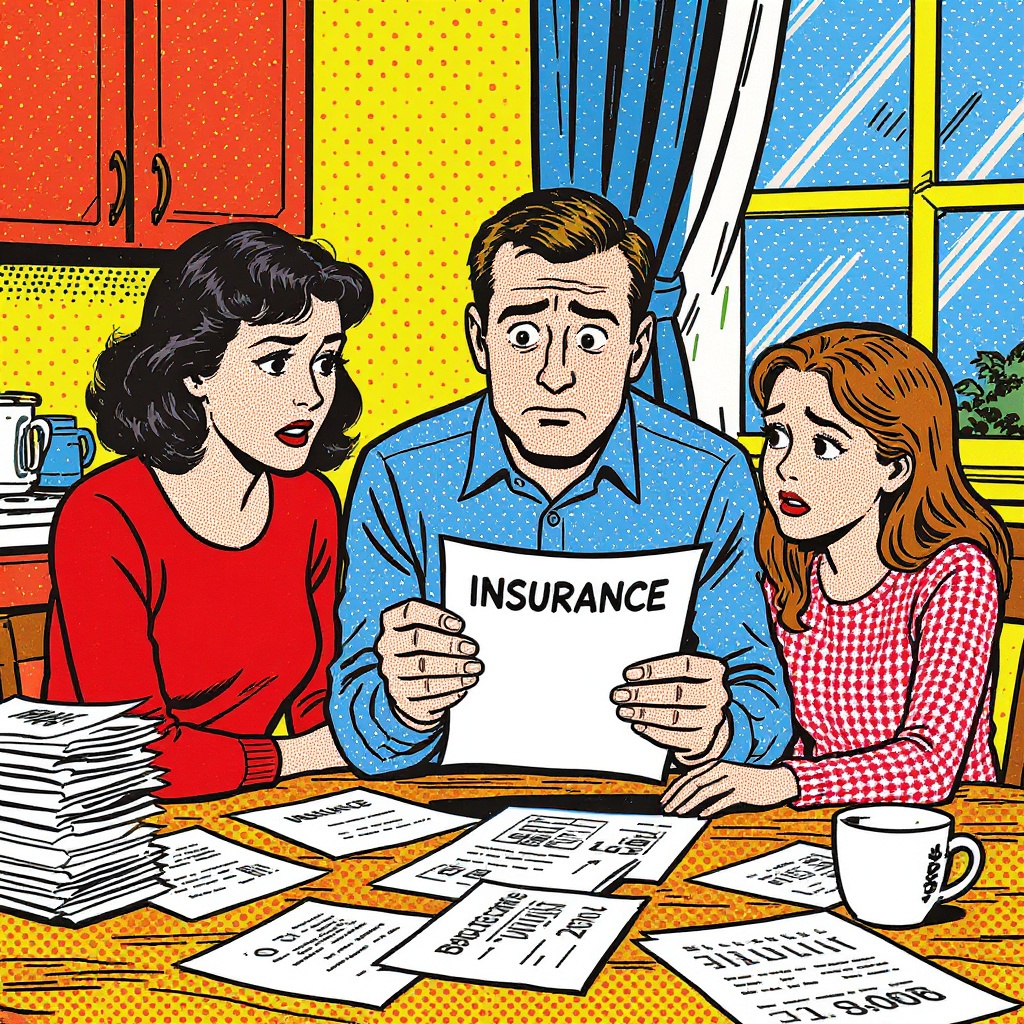
Consider a family where one parent earns $75,000/year. They have a mortgage, two kids, a car payment. Six months into a disability (back surgery, cancer, car accident recovery), their income stops.
- Employer-provided short-term disability pays 60% of salary — $3,750/month before taxes.
- That leaves a $2,500–$3,000/month gap in a household that spends $5,500/month.
- After 6 months, the short-term policy expires. Long-term disability (if they have it) may have a 90-day waiting period.
- Social Security Disability Insurance (SSDI) has a 5-month waiting period and approves only about 30% of applicants on first application.
- At month 9, this family has burned through emergency savings and is racking up credit card debt.
Sound extreme? This happens to thousands of families every month. It's not rare. It's not extreme. It's the most common income disruption event a working family will face.
What Disability Coverage Actually Does
A disability income coverage policy pays you a portion of your earnings — typically 50–70% — when you can't work due to a covered illness or injury.
- Short-term disability: Covers 3–6 months, typically pays 60–70% of income. Policies often have a 7–14 day waiting period before benefits begin.
- Long-term disability: Covers longer periods (1 year, 2 years, 5 years, or to age 65). Typically pays 50–60% of income. Waiting periods are usually 30–90 days.
Most people get some disability coverage through their employer — but it's often capped at a dollar amount (e.g., $5,000/month maximum) rather than a percentage of income. High earners often find employer plans cover less than half their actual income.
Who Needs Individual Coverage — and Who Might Not
You probably need robust individual disability coverage if:
- You're the primary or sole income earner
- Your spouse has limited earning potential or is not in the workforce
- You have significant debt (mortgage, student loans)
- You work in a physically demanding or high-risk profession
- You don't have substantial savings that could carry you 6+ months
You might rely more on employer coverage if:
- You're a two-income household with significant cash reserves
- Your employer plan is unusually generous (ask HR for the exact benefit amount)
- You have family wealth that can cover a long income gap
The Right Time to Buy
Disability coverage gets more expensive and harder to qualify for as you age and develop health conditions. Buying in your 20s or early 30s — when you're healthy and rates are lowest — is the smart move. Waiting until you're 45 and managing a chronic condition means higher premiums or exclusions.
Protect your income before you need it
Disability coverage is often overlooked but critically important. Compare your options and build a complete protection plan for your family.
Get Free Disability Coverage Quotes →