
Build a useful first budget from your own paychecks and bills. A simple record you maintain beats an elaborate plan you abandon.
Gather a realistic starting point
Collect recent statements, pay stubs, and regular bills. Record take-home income and the dates it arrives. Separate recurring earnings from bonuses or other money you cannot count on every month.
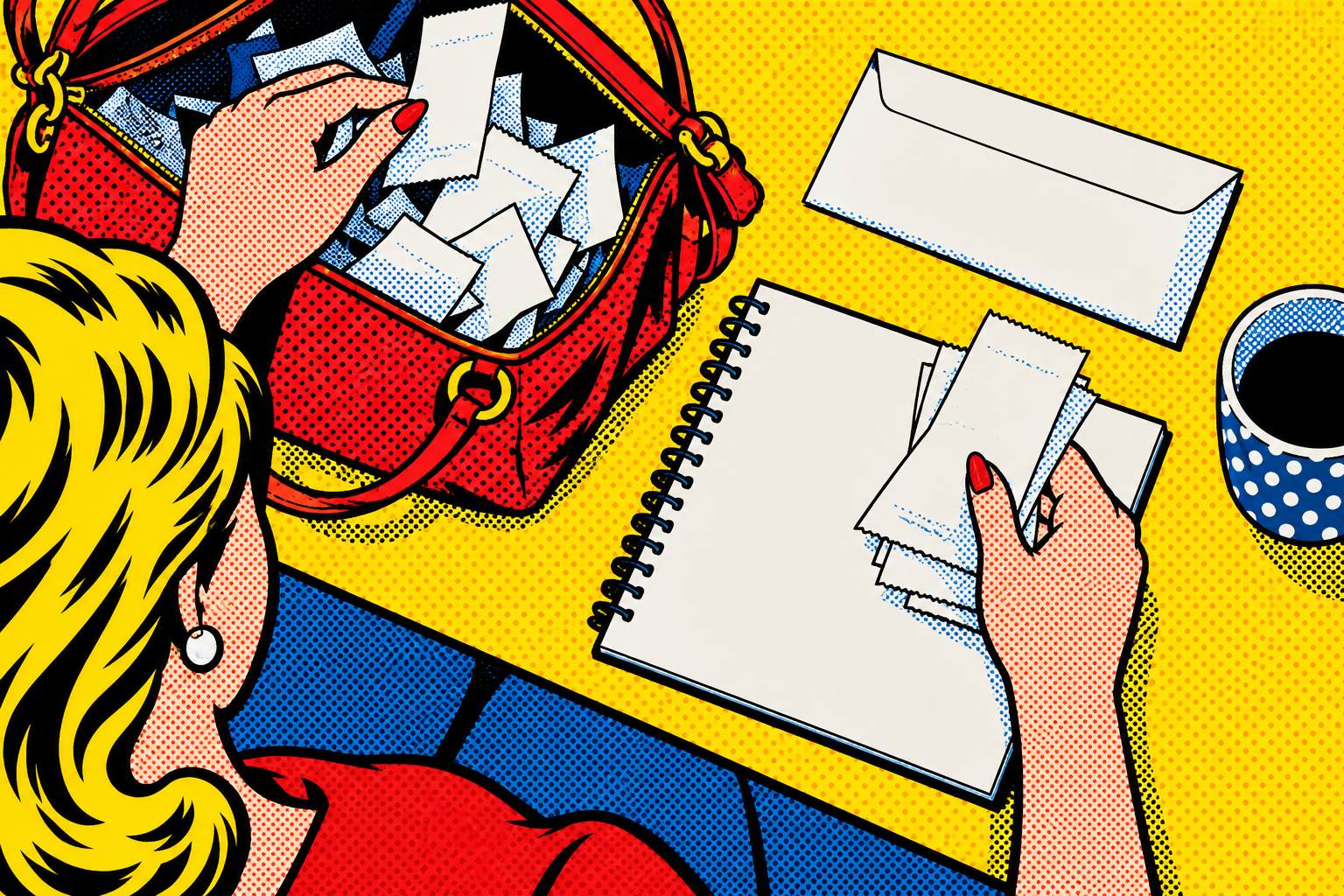
Group actual spending
Start with housing, food, utilities, transportation, childcare, health costs, and debt minimums. Then add flexible spending and savings. Separate fixed bills from costs that change, but remember that a variable cost such as groceries can still be essential.
Remember irregular bills
Check for annual renewals, school expenses, gifts, and vehicle maintenance. Divide a known future bill by the number of paydays before it is due. Put that amount in your plan instead of treating the bill as a surprise.
Make the first review small
Compare the plan with actual spending after one week. Fix a missing category or unrealistic estimate, then review again at month-end. If expenses exceed income, identify the shortfall before setting an ambitious savings target. A notebook or spreadsheet is enough to start.
Further reading: Consumer guidance. Explore our Money 101 guides.