
A monthly budget can balance and still leave you short before payday. A bill calendar helps you reserve each paycheck for the expenses due before the next one.
Record the dates that actually apply
List bill amounts, due dates, automatic payments, and the dates income becomes available. Biweekly means every two weeks; semimonthly means twice each month. Use your employer's actual pay schedule rather than treating those schedules as interchangeable.
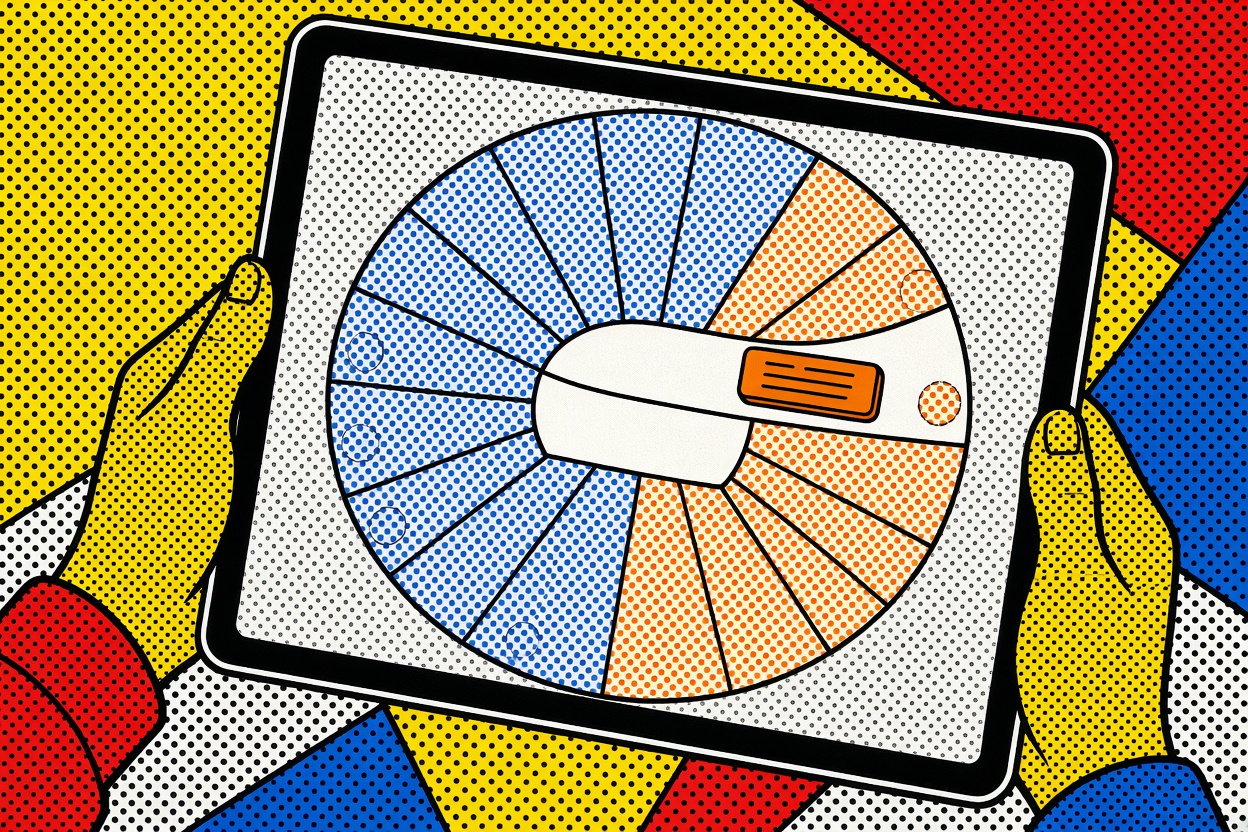
Assign each bill to available money
Reserve funds from a paycheck received before the bill is due. Allow for your bank's payment-processing time and weekends or holidays. Money committed to rent is not available for other spending, even while it remains in your account.
A hypothetical household calendar
Suppose pay arrives on the 1st and 15th of each month. This is a semimonthly schedule. Here is one way to plan:
- Rent due on the 1st: reserve money from the prior month's pay so you do not depend on a same-day deposit.
- Car payment due on the 10th: reserve it from the 1st paycheck and send payment early enough to arrive by the 10th.
- Coverage premium due on the 15th: fund it from money already available, unless you have confirmed deposit and payment timing.
- Utilities due on the 20th: reserve the amount from the 15th paycheck, allowing processing time.
Also reserve groceries, transportation, and other essentials between paydays. This example illustrates timing; it does not establish that a particular household has enough income.
Ask before moving a due date
If the schedule does not work, ask the biller whether it allows a different due date. Confirm when the change takes effect, the next amount due, and any charges. Do not simply postpone a payment or move its amount to an unrelated bill. If the date cannot change, consider reserving money from an earlier paycheck or discussing payment arrangements before the due date.
Adjust when income varies
Update expected deposits as work changes. Keep uncertain earnings separate from money already available. Review the next few weeks regularly, and revise optional spending when the plan shows a shortfall.
Further reading: CFPB guide to requesting a bill due-date change. Explore our Money 101 guides.