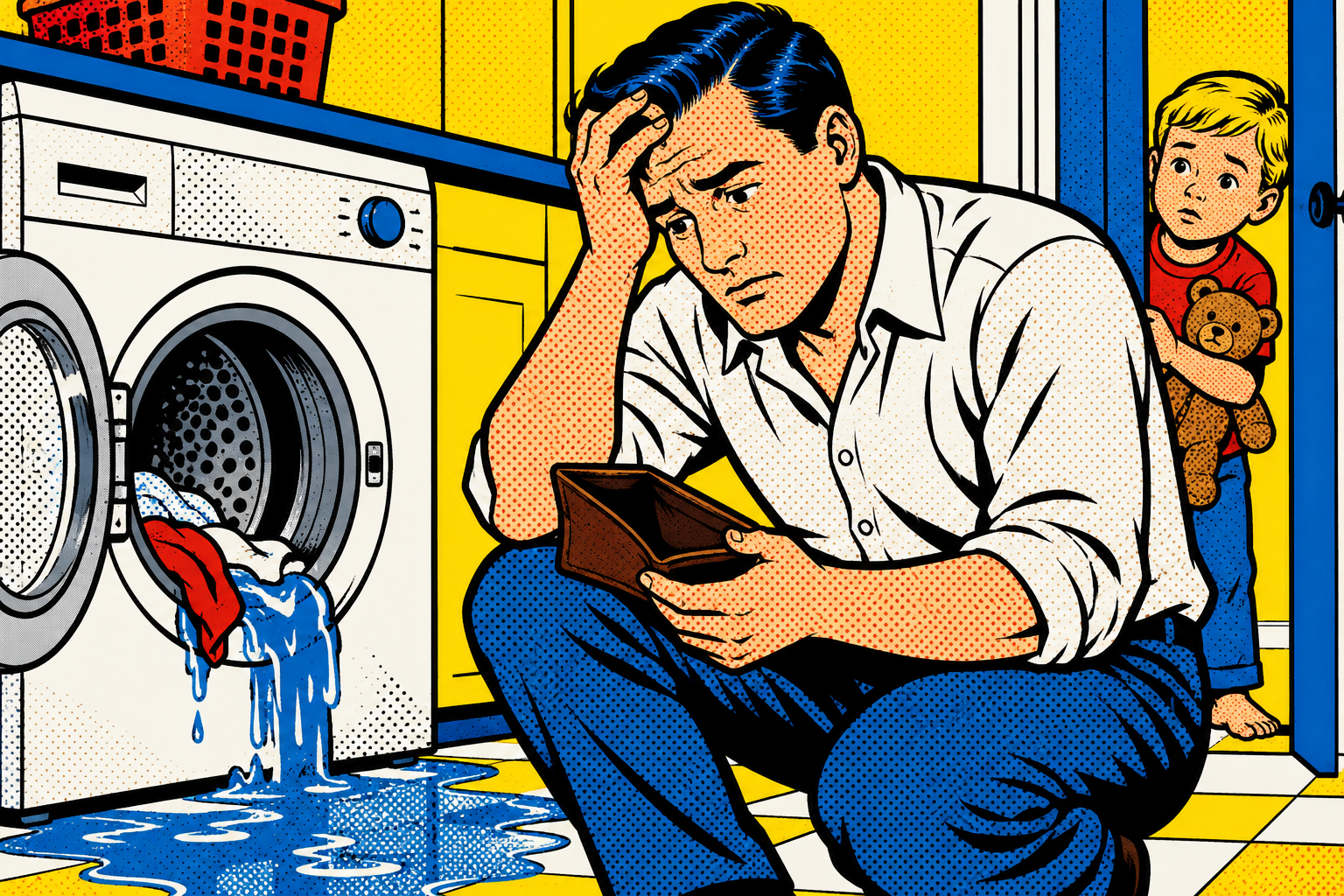
The cost of going without coverage is the loss you would have to absorb yourself. That exposure can extend beyond an immediate repair or medical bill.
Consider the full disruption
An accident can involve property damage, medical costs, lost work time, or liability. The amount depends on the event and circumstances. A list of national averages cannot predict what your family would owe.

Understand what a policy transfers
Coverage applies to specified events and amounts. Deductibles, exclusions, and limits still leave some costs with you. Auto liability protection and coverage for your own vehicle, for example, do different jobs.
Compare affordability and exposure
Use actual premium quotes alongside the maximum costs you could reasonably absorb. Check which coverage is required by a lender or applicable law. Do not assume a cheap policy or a legal minimum addresses every household risk.
Plan for remaining costs
Maintain accessible savings where possible and review how claims work. If premiums are difficult to afford, ask about available options and assistance instead of silently allowing needed coverage to lapse. Compare the full contract before deciding whether a lower premium is an improvement.
Further reading: Consumer guidance. Explore our Money 101 guides.